
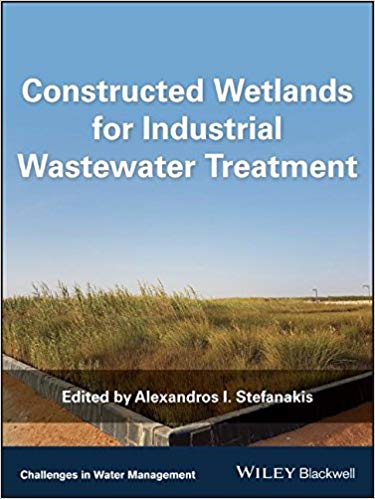
Constructed Wetlands for Industrial Wastewater Treatment Challenges in Water Management Series 1st Edition by Alexandros Stefanakis ISBN B07F2P4GTZ 978-1119268321


Original price was: $50.00.$25.00Current price is: $25.00.
Constructed Wetlands for Industrial Wastewater Treatment Challenges in Water Management Series 1st Edition by Alexandros Stefanakis – Ebook PDF Instant Download/Delivery: B07F2P4GTZ, 978-1119268321
Full download Constructed Wetlands for Industrial Wastewater Treatment Challenges in Water Management Series 1st edition after payment
Product details:
ISBN 10: B07F2P4GTZ
ISBN 13: 978-1119268321
Author: Alexandros Stefanakis
A groundbreaking book on the application of the economic and environmentally effective treatment of industrial wastewater
Constructed Wetlands for Industrial Wastewater Treatment contains a review of the state-of-the-art applications of constructed wetland technology for industrial wastewater treatment. This green technology offers many economic, environmental, and societal advantages. The text examines the many unique uses and the effectiveness of constructed wetlands for the treatment of complex and heavily polluted wastewater from various industrial sources.
The editor — a noted expert in the field — and the international author team (93 authors from 22 countries) present vivid examples of the current state of constructed wetlands in the industrial sector. The text is filled with international case studies and research outcomes and covers a wide range of applications of these sustainable systems including facilities such as the oil and gas industry, agro-industries, paper mills, pharmaceutical industry, textile industry, winery, brewery, sludge treatment and much more. The book reviews the many system setups, examines the different removal and/or transformational processes of the various pollutants and explores the overall effectiveness of this burgeoning technology. This important resource:
- Offers the first, groundbreaking text on constructed wetlands use for industrial wastewater treatment
- Provides a single reference with summarized information and the state-of-the-art knowledge of the use of Constructed Wetlands in the industrial sector through case studies, research outcomes and review chapters
- Covers a range of industrial applications such as hydrocarbons/oil and gas industry, food and beverage, wood and leather processing, agro-industries, pharmaceuticals and many others
- Includes best practices drawn by a collection of international case studies
- Presents the latest technological developments in the industry
Written for civil and environmental engineers, sustainable wastewater/water managers in industry and government, Constructed Wetlands for Industrial Wastewater Treatment is the first book to offer a comprehensive review of the set-up and effectiveness of constructed wetlands for a wide range of industrial applications to highlight the diverse economic and environmental benefits this technology brings to the industry.
Constructed Wetlands for Industrial Wastewater Treatment Challenges in Water Management Series 1st Table of contents:
Part I: Petrochemical and Chemical Industry
Chapter 1: Integrated Produced Water Management in a Desert Oilfield Using Wetland Technology and Innovative Reuse Practices
1.1 Introduction
1.2 Constructed Wetland for Produced Water Treatment
1.3 Results and Discussion
1.4 Treated Effluent Reuse for Saline Irrigation
1.5 Conclusions
References
Chapter 2: Constructed Wetlands Treating Water Contaminated with Organic Hydrocarbons
2.1 Introduction
2.2 MTBE Removal in Constructed Wetlands
2.3 Phenol Removal in Constructed Wetlands
2.4 Combined Treatment of Different Compounds
References
Part II: Food and Beverage Industry
Chapter 3: Aerated Constructed Wetlands for Treatment of Municipal and Food Industry Wastewater
3.1 Introduction
3.2 Aerated Constructed Wetlands
3.3 HIGHWET Project
3.4 Conclusions
Acknowledgements
References
Chapter 4: Treatment of Wineries and Breweries Effluents using Constructed Wetlands
4.1 Introduction
4.2 Wastewater Production and Characterization
4.3 Applications and Configurations
4.4 Discussion and Conclusions
References
Chapter 5: Treatment of Effluents from Fish and Shrimp Aquaculture in Constructed Wetlands
5.1 Introduction
5.2 Overview of Aquaculture and Effluent Treatment
5.3 Use of Constructed Wetlands for Treatment of Fish and Shrimp Aquaculture Effluents
5.4 Conclusions
References
Chapter 6: Evaluation of Treatment Wetlands of Different Configuration for the Sugarcane-Mill Effluent under Tropical Conditions
6.1 Introduction
6.2 Modeling Water Consumption Minimization
6.3 Type of Effluent and Pretreatment
6.4 Constructed Wetlands (CWs)
6.5 Research Needs
Acknowledgements
References
Chapter 7: Treatment of Effluents from Meat, Vegetable and Soft Drinks Processing using Constructed Wetlands
7.1 Treatment of Slaughterhouse and Meat Processing Wastewater
7.2 Treatment of Potato Washing Wastewater
7.3 Treatment of Molasses Wastewater
7.4 Treatment of Effluents from Coffee Processing
References
Part III: Agro‐Industrial Wastewater
Chapter 8: Olive Mill Wastewater Treatment in Constructed Wetlands
8.1 Introduction
8.2 Wastewater Production and Characterization
8.3 Applications and Configurations
8.4 Evaporation Plus Constructed Wetlands: An Italian Innovative Approach
8.5 Discussion and Conclusions
References
Chapter 9: Dairy Wastewater Treatment with Constructed Wetlands: Experiences from Belgium, the Netherlands and Greece
9.1 Introduction
9.2 Brief Literature Review on Wetland Systems for Dairy Wastewater Treatment
9.3 Experiences from the Netherlands and Belgium
9.4 Experiences from Greece
9.5 Conclusions
References
Chapter 10: The Performance of Constructed Wetlands for Treating Swine Wastewater under Different Operating Conditions
10.1 Introduction
10.2 Removal of Nutrients by Constructed Wetlands
10.3 Removal of Nutrients by Constructed Wetlands using Biological Pretreatments
Acknowledgements
References
Part IV: Mine Drainage and Leachate Treatment
Chapter 11: Constructed Wetlands for Metals: Removal Mechanism and Analytical Challenges
11.1 Sources of Metal Pollution and Rationale for Using Constructed Wetlands to Treat Metal-Laden Wastewater
11.2 Removal Mechanisms
11.3 Analytical Challenges
References
Chapter 12: A Review on the Use of Constructed Wetlands for the Treatment of Acid Mine Drainage
12.1 What is Acid Mine Drainage?
12.2 Sources of AMD
12.3 Environmental and Social Impacts of AMD
12.4 Remediation of AMD
12.5 Summary
References
Chapter 13: Solid Waste (SW) Leachate Treatment using Constructed Wetland Systems
13.1 The Nature of Solid Waste (SW) and SW Leachate
13.2 Characteristics of SW Leachate in Tropical Developing Countries
13.3 Treatment Methods for SW Leachate
13.4 Experimental Methodology for Plant Species and CW Performance Evaluation
13.5 Effect of Plant Species on Leachate Components
13.6 Summary
References
Part V: Wood and Leather Processing Industry
Chapter 14: Cork Boiling Wastewater Treatment in Pilot Constructed Wetlands
14.1 Introduction
14.2 Cork Boiling Wastewater Treatment
14.3 Constructed Wetland Technology
14.4 Conclusions
Acknowledgements
References
Chapter 15: Constructed Wetland Technology for Pulp and Paper Mill Wastewater Treatment
15.1 Introduction
15.2 Pulp and Paper Mill Wastewater Characteristics
15.3 Remediation of Pulp and Paper Mill Wastewater Pollution
15.4 Constructed Wetlands
15.5 Conclusions
References
Chapter 16: Treatment of Wastewater from Tanneries and the Textile Industry using Constructed Wetland Systems
16.1 Introduction
16.2 Discussion
16.3 Constructed Wetlands for Cr(VI) Removal: A Case Study
16.4 Conclusions
References
Part VI: Pharmaceuticals and Cosmetics Industry
Chapter 17: Removal Processes of Pharmaceuticals in Constructed Wetlands
17.1 Introduction
17.2 Pharmaceutical Compounds in the Environment: Sources, Fate and Environmental Effects
17.3 Pharmaceuticals Removal in Constructed Wetlands
17.4 Final Remarks
References
Chapter 18: Role of Bacterial Diversity on PPCPs Removal in Constructed Wetlands
18.1 Introduction
18.2 Mesocosm-Scale Experiences
18.3 Pollutant Concentrations and Removal Efficiencies in Mesocosms CWs
18.4 Microbiological Characterization
18.5 Link between Microbiological Richness and Pollutant Removal in CWs
18.6 Mechanisms and Design Parameters Involved in PPCPs Removal
18.7 Conclusions
Acknowledgements
References
Part VII: Novel Industrial Applications
Chapter 19: Dewatering of Industrial Sludge in Sludge Treatment Reed Bed Systems
19.1 Introduction
19.2 Methodology
19.3 Treatment of Industrial Sludge in STRB Systems
19.4 Case Studies – Treatment of Industrial Sludge in Full-Scale and Test STRB Systems
19.5 Discussion and Conclusions
Acknowledgements
References
Chapter 20: Constructed Wetlands for Water Quality Improvement and Temperature Reduction at a Power-Generating Facility
20.1 Introduction
20.2 Basis of Design
20.3 Construction
20.4 Operational Performance Summary
20.5 Discussion
References
Chapter 21: Recycling of Carwash Effluents Treated with Subsurface Flow Constructed Wetlands
21.1 Introduction
21.2 Case Study: Description
21.3 Case Study: Results and Discussion
21.4 Design and Operation Recommendations
21.5 Conclusions
References
Chapter 22: Constructed Wetland-Microbial Fuel Cell: An Emerging Integrated Technology for Potential Industrial Wastewater Treatment and Bio-Electricity Generation
22.1 Introduction
22.2 The Fundamentals of MFC and Microbial Electron Transfer to Electrode
22.3 State of the Art of CW-MFCs
22.4 Potential Industrial Wastewater Treatment in CW-MFCs
22.5 Challenges in Generating Bio-Electricity in CW-MFCs During Industrial Wastewater Treatment
22.6 Future Directions
Acknowledgements
References
Chapter 23: Constructed Wetlands for Stormwater Treatment from Specific (Dutch) Industrial Surfaces
23.1 Introduction
23.2 Stormwater Characteristics
23.3 Best Management Practices of (Dutch) Wetlands at Industrial Sites
23.4 Innovation in Monitoring Wetlands
23.5 Conclusions and Recommendations
References
Part VIII: Managerial and Construction Aspects
Chapter 24: A Novel Response of Industry to Wastewater Treatment with Constructed Wetlands: A Managerial View through System Dynamic Techniques
24.1 Introduction
24.2 Theoretical Underpinning
24.3 Methodology
24.4 Test of Scenarios and a Typology Construction for Decision Making
24.5 Conclusion and Discussion
References
Chapter 25: A Construction Manager’s Perception of a Successful Industrial Constructed Wetland Project
25.1 Key Performance Indicators for Construction Projects
25.2 Function and Values of Constructed Wetlands
25.3 Clear Deliverables of Project
25.4 Critical Points in Constructing Wetlands
25.5 Summary
References
People also search for Constructed Wetlands for Industrial Wastewater Treatment Challenges in Water Management Series 1st :
constructed wetlands for treatment of industrial wastewaters a review
types of constructed wetlands for wastewater treatment
industrial wastewater examples
constructed wetlands for wastewater treatment
constructed wetlands for wastewater treatment model
Tags: Alexandros Stefanakis, Constructed Wetlands, Industrial Wastewater
You may also like…
Engineering
Wetlands for Water Pollution Control 2nd Edition by Miklas Scholz 0444636072 9780444636072
Earth Sciences - The Environment
Engineering
Constructed Subsurface Wetlands Case Study and Modeling 1st Edition Abdel Razik Ahmed Zidan