
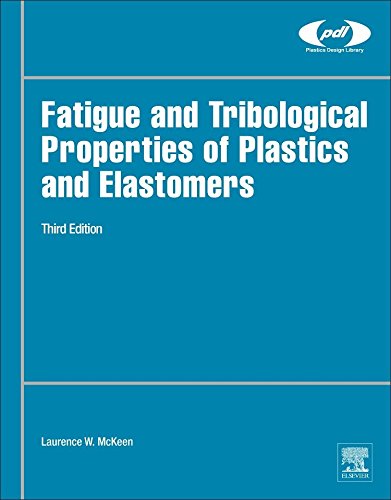
Fatigue and Tribological Properties of Plastics and Elastomers 3rd edition by McKeen ISBN 0323442013 978-0323442015


Original price was: $50.00.$25.00Current price is: $25.00.
Fatigue and Tribological Properties of Plastics and Elastomers 3rd edition by McKeen – Ebook PDF Instant Download/Delivery: 0323442013, 978-0323442015
Full download Fatigue and Tribological Properties of Plastics and Elastomers 3rd edition after payment
Product details:
ISBN 10: 0323442013
ISBN 13: 978-0323442015
Author: McKeen
Part of a series of data-rich handbooks within the Plastics Design Library, Fatigue and Tribological Properties of Plastics and Elastomers provides a comprehensive collection of graphical multipoint data and tabular data covering the fatigue and tribological performance of plastics.
The handbook is structured by grouping together plastics of similar polymer types into ten chapters. Each of these chapters is split into two sections: Fatigue Properties and Tribological Properties, and together they provide a compendium of several hundred graphs and charts, supplying the core data needed by engineers and scientists on a day-to-day basis.
The data for this third edition has been updated to cover upwards of five years since the previous edition was published, and also includes an entirely new chapter covering sustainable and biodegradable polymers. The book also includes an extensive introductory section covering fatigue, what it is and how it is measured; the fundamentals of tribology; polymer chemistry and plastics composition. These chapters also provide readers with a full understanding of the data section, and how to put it to use as a hard-working information tool.
Fatigue and Tribological Properties of Plastics and Elastomers 3rd Table of contents:
1: Introduction to Fatigue of Plastics and Elastomers
Abstract
1.1. Types of Stress
1.2. Fatigue Testing
1.3. Understanding Fatigue-Testing Data
1.4. Fatigue Process
1.5. Factors That Affect Fatigue Life
1.6. Design Against Fatigue
1.7. Summary
2: Introduction to the Tribology of Plastics and Elastomers
Abstract
2.1. Friction
2.2. Lubrication
2.3. Wear and Erosion
2.4. Tribology Testing
2.5. Wear-Resistant Additives
2.6. Summary
3: Introduction to Plastics and Polymers
Abstract
3.1. Polymerization
3.2. Copolymers
3.3. Linear, Branched, and Cross-Linked Polymers
3.4. Polarity
3.5. Unsaturation
3.6. Steric Hindrance
3.7. Isomers
3.8. Intermolecular and Intramolecular Attractions in Polymers
3.9. General Classifications
3.10. Elastomers
3.11. Plastic Compositions
3.12. Polymer Nomenclature
4: Styrenic Plastics
Abstract
4.1. Polystyrene
4.2. Acrylonitrile–Styrene–Acrylate
4.3. Styrene Acrylonitrile
4.4. Acrylonitrile–Butadiene–Styrene
4.5. Styrenic Blends
4.6. Other Styrenic Plastics
5: Polyether Plastics
Abstract
5.1. Acetals—Polyoxymethylene Homopolymer
5.2. Polyoxymethylene Copolymer (POM-Co or Acetal Copolymer)
5.3. Modified Polyphenylene Ether/Polyphenylene Oxide
6: Polyester Plastics
Abstract
6.1. Polycarbonate
6.2. Polybutylene Terephthalate
6.3. Polyethylene Terephthalate
6.4. Liquid Crystalline Polymers
6.5. Polycyclohexylene-Dimethylene Terephthalate
6.6. Polyphthalate Carbonate
6.7. Polyester Blends and Alloys
7: Polyimide Plastics
Abstract
7.1. Polyetherimide
7.2. Polyamide-Imide
7.3. Polyimide
7.4. Thermoplastic Polyimide
7.5. Imide Polymer Blends
8: Polyamide Plastics (Nylons)
Abstract
8.1. Nylon 6 (PA 6)
8.2. Nylon 11 (PA 11)
8.3. Nylon 12 (PA 12)
8.4. Nylon 46 (PA 46)
8.5. Nylon 66 (PA 66)
8.6. Nylon 610 (PA 610)
8.7. Nylon 612 (PA 612)
8.8. Nylon 666 or 66/6 (PA 666)
8.9. Amorphous Nylon
8.10. Polyphthalamide/ High-Performance Polyamide
8.11. Polyarylamide
9: Polyolefins and Acrylics
Abstract
9.1. Polyethylene
9.2. Cross-Linked Polyethylene
9.3. Polypropylene
9.4. Ultrahigh-Molecular-Weight Polyethylene
9.5. Rigid Polyvinyl Chloride
9.6. Polyacrylics
10: Thermoplastic Elastomers
Abstract
10.1. Thermoplastic Polyurethane Elastomers
10.2. Thermoplastic Copolyester Elastomers
10.3. Thermoplastic Polyether Block Amide Elastomers
10.4. Olefinic Thermoplastic Elastomer
10.5. Other Elastomers
11: Fluoropolymers
Abstract
11.1. Polytetrafluoroethylene
11.2. Polyethylene Chlorotrifluoroethylene
11.3. Polyethylene Tetrafluoroethylene
11.4. Fluorinated Ethylene Propylene
11.5. Perfluoroalkoxy
11.6. Polychlorotrifluoroethylene
11.7. Polyvinylidene Fluoride
11.8. Polyvinyl Fluoride
12: High-Temperature Polymers
Abstract
12.1. Polyaryletherketones
12.2. Polyethersulfone
12.3. Polyphenylene Sulfide
12.4. Polysulfone
12.5. Polybenzimidazole
People also search for Fatigue and Tribological Properties of Plastics and Elastomers 3rd:
fatigue and tribological properties of plastics and elastomers pdf
what is fatigue and types of fatigue
arms and legs fatigue easil
what vitamin deficiency causes fatigue
difference between fatigue and burnout
Tags: McKeen, Tribological Properties
You may also like…


Engineering Engineering - Mechanical Engineering & Dynamics
Thermal sprayed coatings and their tribological performances 1st Edition Davim


Cookbooks