

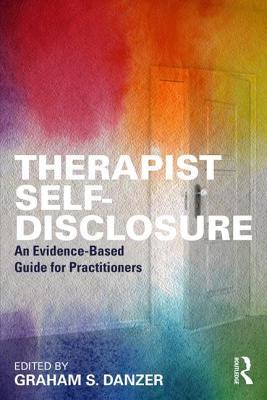
Therapist Self Disclosure An Evidence Based Guide for Practitioners 1st edition by Graham Danzer ISBN 1138302244 978-1138302242

Original price was: $50.00.$25.00Current price is: $25.00.
Therapist Self Disclosure An Evidence Based Guide for Practitioners 1st edition by Graham Danzer – Ebook PDF Instant Download/Delivery: 1138302244 , 978-1138302242
Full download Therapist Self Disclosure An Evidence Based Guide for Practitioners 1st edition after payment
Product details:
ISBN 10: 1138302244
ISBN 13: 978-1138302242
Author: Graham Danzer
Therapist Self-Disclosure gives clinicians professional and practical guidance on how and when to self-disclose in therapy. Chapters weave together theory, research, case studies, and applications to examine types of self-disclosure, timing, factors and dynamics of the therapeutic relationship, ethics in practice, and cultural, demographic, and vulnerability factors. Chapter authors then examine self-disclosure with specific client populations, including clients who are LGBTQ, Christian, multicultural, suffering from eating disorders or trauma, in forensic settings, at risk for suicide, with an intellectual disability, or are in recovery for substance abuse.This book will very helpful to graduate students, early career practitioners, and more seasoned professionals who have wrestled with decisions about whether to self-disclose under various clinical circumstances.
Therapist Self Disclosure An Evidence Based Guide for Practitioners 1st Table of contents:
1 Introduction
Overview and Outline of the Text
References
2 Ethics Applied in Practice
Exercising Personal Restraint and Forethought
Factors Determining the Appropriateness of TSD
Conclusions
References
3 Theoretical and Clinical Perspectives
Contemporary Clinical Perspectives
Conclusions
References
4 Research on Efficacy and Outcomes
Conclusions
References
Part II: Clinical Factors
5 Timing and Decision-Making
Deciding Whether or Not to Self-Disclose?
Therapeutic Timing Considerations
Conclusions
References
6 The Different Types of Self-Disclosure
Self-Involving TSDs
Historical TSDs
What Makes TSD an Intervention Versus a Reaction?
Conclusions
References
7 Supervision and Training Considerations
Research Findings
Supervision Approaches to Self-Disclosure
Conclusions
References
Part III: Vulnerability Factors
8 Trauma, Physical Illness, and Mortality
When the Therapist Too Has Been Traumatized
Therapists Facing Grief, Physical Illness, and Mortality
Conclusions
References
9 Caucasian Therapists and Multicultural Clients
Research Findings
Conclusions
References
10 Sexuality
A Must Consider for LGBTQ-Identified Therapists?
Conclusions
References
11 Mental Illness and Personality Disorders
The First Author’s Perspective
The Coauthor’s Perspective
Implications for Practice Scenarios and Considerations
Therapist Attitudes about TSD to this Population
Conclusions
References
12 Eating Disorders
The Congruence of ED Symptoms and TSD
Research Findings on Client and Therapist Perspectives
Conclusions
References
13 Religion and Spirituality
Background Research
Avoidance of the Topic?
Clinical Discussions
Research on Religious Self-Disclosure
Conclusions
References
14 Children and Adolescents
Positions in the Developmental Psychotherapy Literature
Research Findings
Conclusions
References
Part IV: Responding to Direct Client Inquiries
15 “So Why Did You Decide to Become a Therapist?”
Conclusions
References
16 “Are You a Christian?”
A Blessing: Possible Benefits of Therapist Self-Disclosure
Applications to Trauma and Sexual Orientation
The Curse: Risks of Religious Self-Disclosure
Guidelines for Self-Disclosure of Religious Orientation
Conclusions
References
17 “Are You in Recovery?”
When Clients Ask Early in Treatment
What Does the Research Say?
When the Answer Is “Yes,” the Therapist Is in Recovery
When the Answer Is “No,” the Therapist Is Not in Recovery
Conclusions
References
18 “Are You Gay?”
Case Study #1: “Are You Gay?”
Case Study #2: Gay Male Client
Case Study #3: Homophobic Statements
Cultural and Gender Minority Considerations
Conclusions
References
19 “You Don’t Know What I’m Talking About”
Application to Practice
Theoretical Considerations
Other Dyadic Considerations
Conclusions
References
Part V: Clinical Challenges
20 Chronically Traumatized Clients
Self-Disclosure as a Weapon
What Information Is Most Beneficial to Disclose?
An Evolutionary Perspective
Inter- and Intrapersonal Evaluation
Case Example: Bringing It All Together
Conclusions
References
21 Intellectual and Developmental Disabilities (IDD)
Even in Treatment of IDDs, It’s About the Relationship
The Role of TSD in Promoting Self-Management
The Implications of TSD on Behavioral Transfer
Conclusions
References
22 Forensic Settings
Boundaries in the Forensic Setting
The Importance of Regular Training and Supervision
Examples of Self-Disclosure in a Forensic Setting
Conclusions
References
23 Clients Who Have Been Harmed by Previous Therapists
Client and Therapist Reactions
Identifying Your Personal Reactions
Author’s Personal Reactions
Conclusions
References
24 Gender and Power Dynamics
Male Therapist Self-Disclosure in Contexts of Gender Roles
Family-of-Origin Issues
Conclusions
References
25 Suicide Risk Assessment
The Origins and Drives of Suicide
Practice Standards for Suicide Risk Assessment
Theory and Impact of TSD during Suicide Risk Assessment
TSD as an Intervention in Suicide Risk: A Case Example
Reflection on the Impact of TSD
Conclusions
References
Part VI: Major Implication for Practitioners
26 Negative Consequences of Self: A Result of the Practitioner and Not the Technique
Therapist Disclosure as Social Interaction or Technique?
When Therapist Disclosure Does Not Work
The Importance of Attunement
Therapist Disclosure as a Competency
Conclusions
References
27 There Are Risks and Benefits of Non-Disclosure
There Is No Such Thing as Complete Non-Disclosure
Benefits of a Largely Non-Disclosive Stance
Drawbacks of Non-Disclosure
Contexts of Vulnerability, Trauma, and Oppression
Conclusions
References
28 Therapist Self-Disclosure: For Better and For Worse?
What if Every TSD is Both Favorable and Unfavorable?
Conclusions
References
29 Therapists and Clients Agree on Most Aspects of TSD, But Not All
Agree on the Benefits and Content of Helpful TSDs
Agree on Some of the Cautions
Perspectives on TSD Affecting Therapist as Expert
Perspectives on TSD to Severely Compromised Populations
Conclusions
References
30 Disclosure May Affect (Client Perceptions of) Therapist as Expert
Expertness and Theoretical Conceptualizations of Disclosure
On ‘Being an Expert’
Therapist Disclosure as Balancing and Blurring Boundaries
De-Constructing Expertness: Implications for Therapist Disclosure within Diversity
Conclusions
People also search for Therapist Self Disclosure An Evidence Based Guide for Practitioners 1st:
how much should a therapist self disclosure
therapist self-disclosure an evidence-based guide for practitioners
what is self disclosure in therapy
self disclosure techniques
should therapists self disclose
You may also like…

Psychology - Psychotherapy



Politics & Philosophy - Social Sciences


Medicine - Radiology
Ultrasound Fundamentals: An Evidence-Based Guide for Medical Practitioners 1st Edition Jinlei Li

Politics & Philosophy - Social Sciences

Politics & Philosophy - Social Sciences